
¡El Tour
Circuits à vélo à petit budget au Mexique
www.BikeMexico.com
Les archives complètes · 2000–2020

Haciendas, Cenotes & Ruins 2003
Saison 2003–2004 · tous les circuits de cette saison-là · Annoncé, mais les archives de la saison s'arrêtent ici
Les documents préservés sur cette page — descriptions d'itinéraires, programmes jour par jour, légendes de photos, dépêches et avis de cyclistes — sont reproduits tels qu'ils ont été rédigés à l'origine : en anglais.
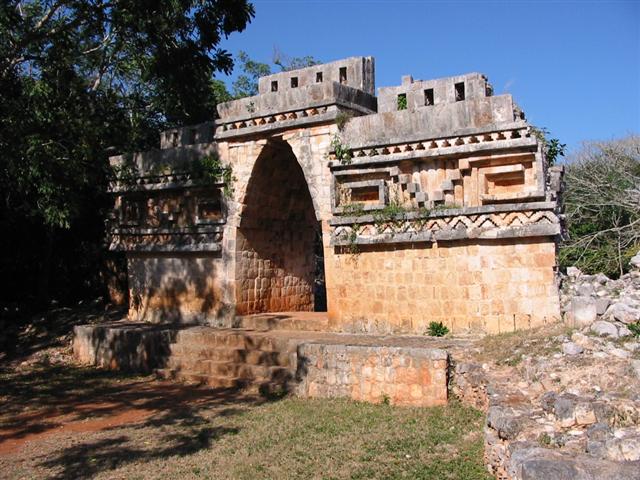
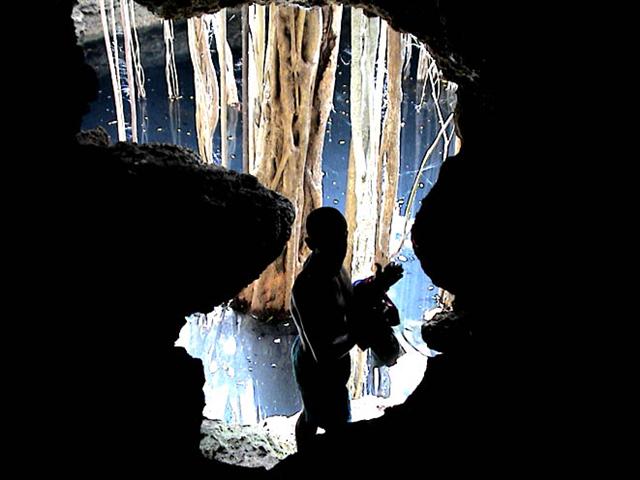
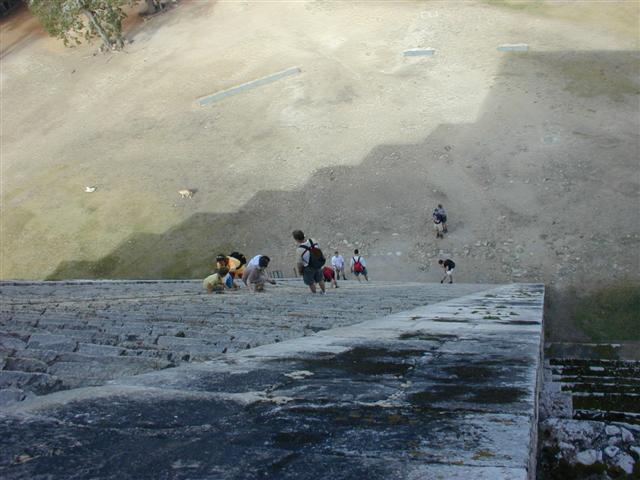
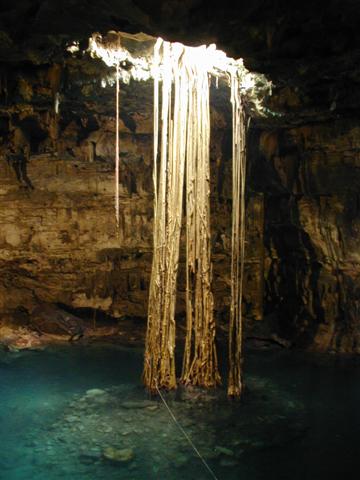
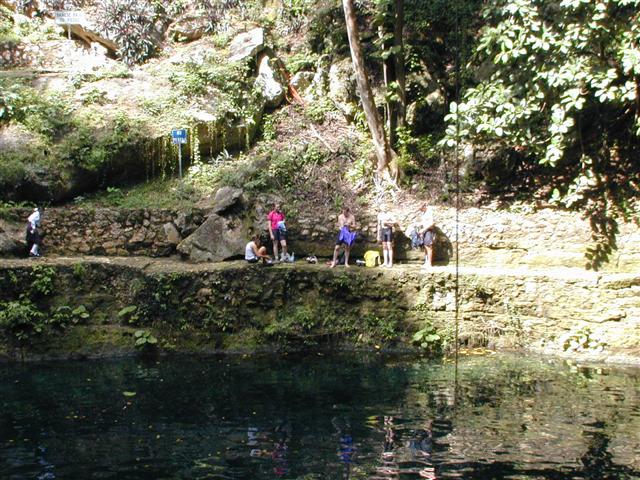
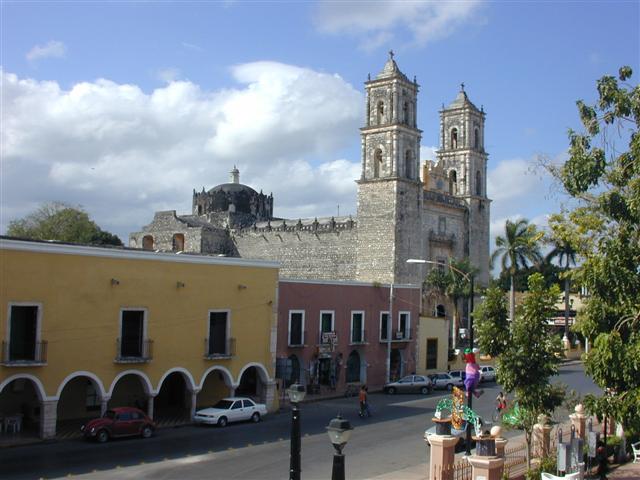
Anciennement "Yucatan in a Week". De la Mérida coloniale à Valladolid. Circuit de difficulté FACILE à MOYENNE. Nous profiterons de la belle architecture coloniale de plusieurs villes du parcours, dont Mérida, Izamal et Valladolid. Parmi les ruines mayas visitées figurent les célèbres Chichén-Iztá, Uxmal et plusieurs autres, notamment dans les collines Puuc. Il y a des grottes, dont Lol-Tun, et des cénotes. Un cénote est une doline donnant accès à l'immense réseau de rivières souterraines du Yucatán. Chacun est spectaculaire, mais différent du précédent.
Note d’archive : Répertorié comme 'Haciendas, Cenotes & Ruins 2003' (US$560) — le Yucatan in a Week rebaptisé. Dates exactes non conservées. Dates retrouvées dans l'archive Wayback de bikemexico.com (le fichier d'horaires dates.js du site).
| Dates: | Fri Dec 12, 2003 to Fri Dec 19, 2003 (1 week - 5 cycling days) |
| Distances: | Average/day: 80km Maximum/day: 120km Total Approx: 400km |
| Type de parcours: | REGULARRegular DifficultyA good level of fitness is required. Distances average around 50 - 80 km per day (depending on hills), and are always less than 120 km. Roads range from flat to very hilly. We may climb up to 1500 metres on a hard day.WeatherThe Weather: Yucatan PeninsulaThe Yucatan's best weather is during our winter months. From November till March the temperature hovers in the mid 20's to the mid 30's (celcius) with sunny clear skies. Humidity levels can be high as we head inland but a warm steady breeze and the occasional but rare tropical thunderstorm will keep you feeling refreshed.RoadThe Road: Yucatan PeninsulaThe Yucatan's roads are considered the finest in Mexico. They are generally in excellent condition with even, paved surfaces. Some stretches of our route also include a paved shoulder. The route meanders along flat terrain with the occasional rolling section. In most places traffic is light to non-existent. Depending on the time of day, roads may be busy near towns such as Cancun, Valladolid and Merida, however drivers are generally respectful of cyclists and will give you as much room as possible.LandThe Land: Yucatan PeninsulaThe Yucatan peninsula at the south eastern tip of Mexico is comprised of three states, Campeche, Yucatan, and Quintana Roo. The peninsula is a massive, flat carbonate - limestone shelf formed by prehistoric high sea levels. Too porous to support a river system, fresh water accumulates underground forming an extensive subterranean river network. Where the erosive process has broken through the earth's surface, cenotes (se-no-tes; limestone sinkholes or pools) have formed. Erosion has also formed numerous caves, some of them enormous and accessible to tourists. The peninsula's landscape is covered by thorn forest in the north and rain jungle in the south. |
| Temps forts: | Real Mexican-Yucatecan culture. Small towns, quiet roads, ex-haciendas, cenotes, caves, Mayan ruins. M�rida; bustling city, colonial architecture, art, food, market, cArNaVaL! |
| Prix: | US$560 (le coût terrestre total approximatif publié cette année-là) |
Le détail du parcours, la carte et l’itinéraire ci-dessous sont préservés de l’édition 2005 de ce circuit — la version de ce parcours la plus proche qui ait survécu.
Le parcours
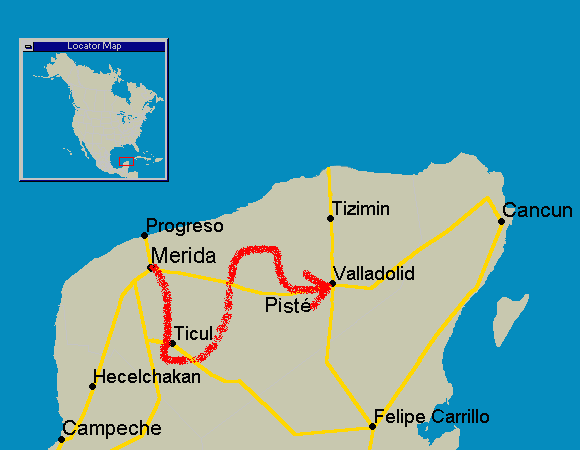
Itinéraire
Cliquez sur n’importe quel jour pour la description complète. Les itinéraires ont toujours été sujets à de légères modifications.
QuandOùDistanceTemps forts
Jour 0Meet in M�rida-
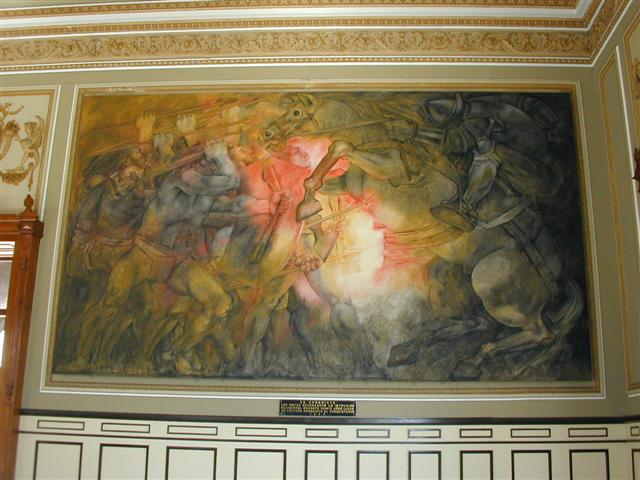
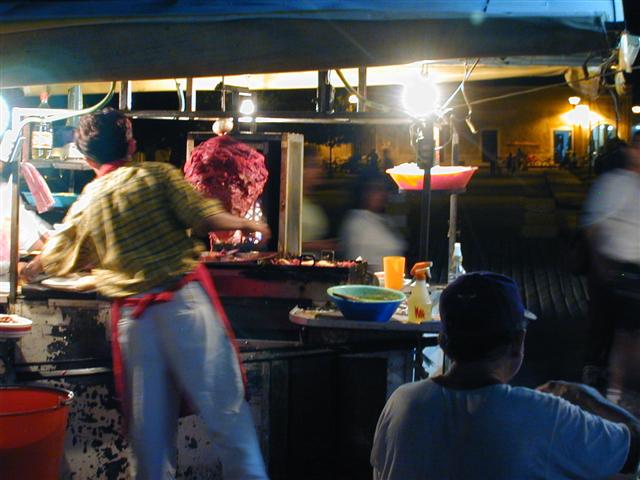
Yucatan cuisine, Murals, Colonial Architecture, market [more]
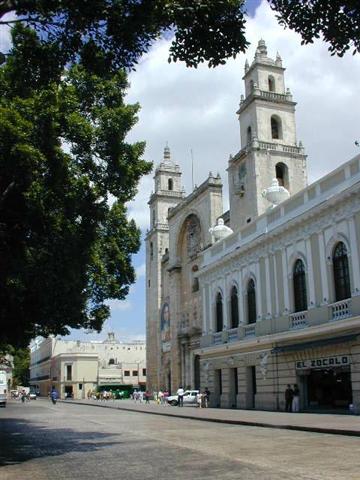
Mérida, the White City, was founded in 1542. Its architecture still shows an exquisite union of pre-Hispanic and European elements. During its Colonial era, this state capital was the most important city in the region, leaving such living monuments as the House of Montejo, Government Palace, and the main building of the University of Yucatan. Museums, theatres, handcrafts, nightclubs and beautiful parks have created a beautiful and vibrant city. Once settled into our hotel room, we will experience M�ridas delicious culinary tradition at one of MÉrida's numerous restaurants.Jour 1M�rida to Ticul79 km
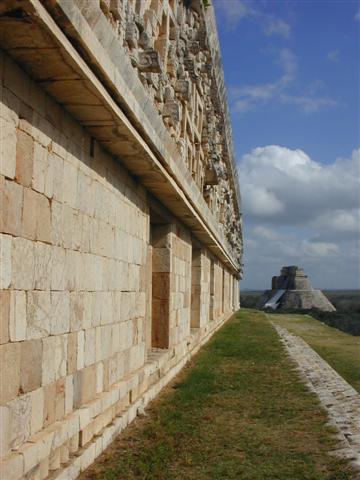
Picturesque Towns, Mayan villages, quiet roads, ex-haciendas, cenotes, Uxmal Mayan ruins [more]
We'll pass through many small Mayan villages and ex-haciendas. There are also many cenotes to be discovered along the way. Upon arriving in Ticul you'll jump into a van for a trip to the Mayan ruins at Uxmal and back.Jour 2Ticul to Oxcutzcab (via ruta Puuc Mayan ruins & Lolt�n cave)70 km
Rolling, hilly roads. Spectacular Mayan ruins and caves [more]
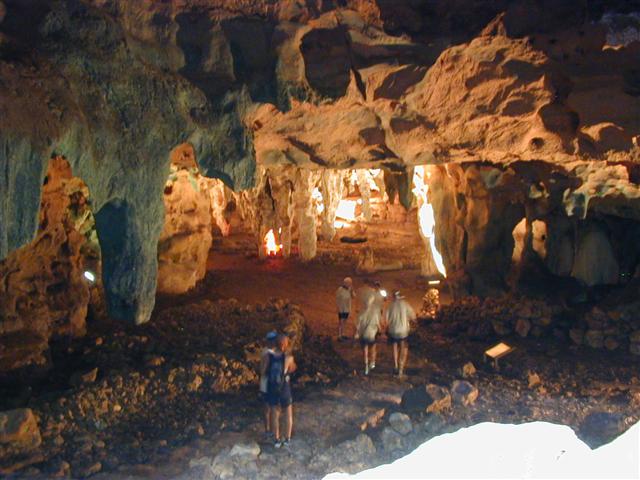
We'll visit several minor Mayan ruins almost completing a circuit. Near the end of our loop we visit Loltún caves; the largest and most interesting cave system in the Yucatán and end up in the town of Oxcutzcab.Jour 3Oxcutzcab to Izamal120 km
Quiet roads, no tourists, cenotes [more]
We start along the 'Convent Route' and then continue on even quieter roads. We'll pass through many small villages and have the chance to visit several spectacular cenotes.Jour 4Izamal-
Massive pyramid, Convent, Zocalo, Market... The BEST tacos in Mexico! Optional sidetrip. [more]
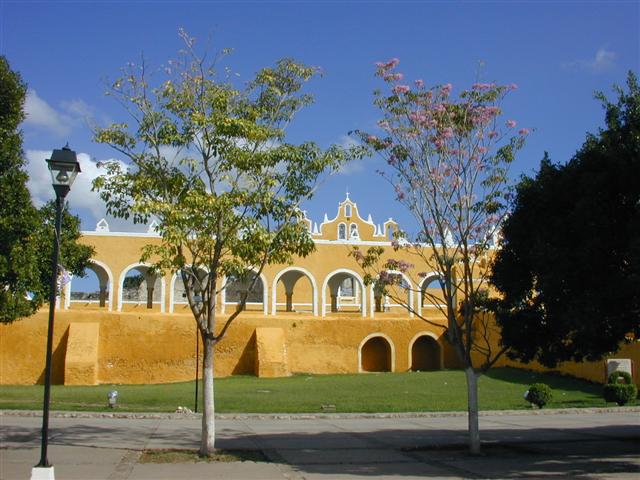
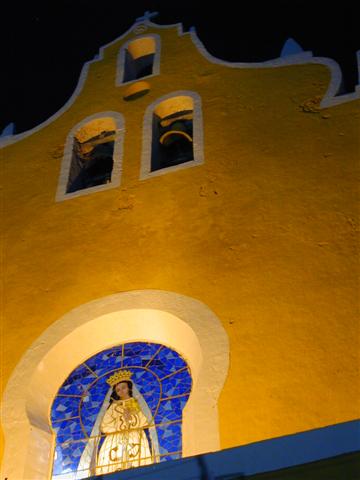
Known as the Yellow Town because of the colour of the colonial buildings that line the zocalo, Izamal is famous for having the largest church plaza in Mexico. It includes an enormous Franciscan convent (built with Mayan stones) and the remnants of one of the tallest Mayan pyramids in the Yucatan. You can also visit the colourful market, or just stroll around the beautiful zocalo observing the daily routines of the local inhabitants.Jour 5Izamal to Pisté (via Stilpech, Tunkas and Dzitas)80 km
Cenotes, quiet roads, small towns [more]
There are many cenotes and caves to visit along the way. An option detour will take us to the town of Cenotillo where there are even more cenotes and caves. In Pisté we can see the light and sound show of Chichén-Itzá, and explore the ruins early tomorrow morning.Jour 6Pisté to Valladolid50 km
Chich�n-Itz� ruins, caves, cenotes, colonial town, cArNaVaL! [more]
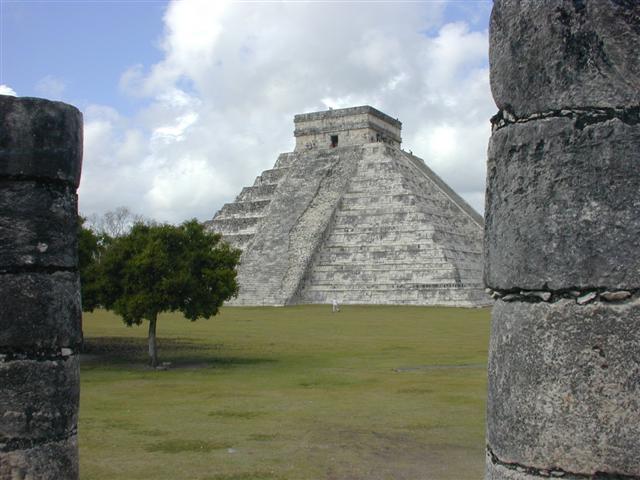
In the early morning we will visit the important Mayan-Toltec ruins of Chichén-Itzá, avoiding all the crouds. After that we have a short ride with many attractions on the way. The Balancanchen Caves are about 6 km before Pist�. They are believed to have been a center for Maya-Toltec worship. The impressive stalactites and the ceramic religious offerings left behind by the Maya-Toltec civilization are definitely worth a visit. Cenotes X-Keken and Samula are a few kilometers before Valladolid. We will stop in for a refreshing dip in their cool, limpid waters. Valladolid is another colonial gem well worth spending some extra time in after the tour is over.Jour 7Bus or van back to Mérida-
Yucatan cuisine, Murals, Colonial Architecture, market, cArNaVaL! [more]
Mérida, the White City, was founded in 1542. Its architecture still shows an exquisite union of pre-Hispanic and European elements. During its Colonial era, this state capital was the most important city in the region, leaving such living monuments as the House of Montejo, Government Palace, and the main building of the University of Yucatan. Museums, theatres, handcrafts, nightclubs and beautiful parks have created a beautiful and vibrant city. Once settled into our hotel room, we will experience Méridas delicious culinary tradition at one of Mérida's numerous restaurants.Ce que ça coûtait cette saison-là
| Forfait des guides | + Hébergement | + Repas & boissons | + Divers | = Coût terrestre total approx. |
|---|---|---|---|---|
| $300 | $60 | $85 | $115 | $560 |
Tous les montants sont en dollars américains, tels que publiés à l’époque. Les participants payaient eux-mêmes l’hébergement, les repas et les droits d’entrée en cours de route — le Forfait des guides était la seule somme facturée par ¡El Tour. Historique complet : le prix de Haciendas, Cenotes & Ruins au fil des ans.
Album photo