
¡El Tour
Budget Bicycle Tours in Mexico
www.BikeMexico.com
The Complete Archive · 2000–2020

Roaming Backroads Yucatan 2005 #2 ...and cArNaVaL!
Season 2004–2005 · all tours that season
Due to popular demand we've trained more guides and are offering this tour for a second run this season. See above for summary. This tour is also during carnaval which you'll see celebrated in several of the towns we visit.
Archive note: 'New! Roaming Backroads Yucatan ...& cArNaVaL! 2005 #2' - second departure added by popular demand, run during carnaval (approx. Feb 2005). Exact dates not preserved. Dates recovered from the bikemexico.com Wayback archive (the site's dates.js schedule file).
| Dates: | Sat Jan 29, 2005 to Sat Feb 12, 2005 (2 weeks - 10 cycling days) |
| Distances: | Average/day: 80km Maximum/day: 125km Total Approx: 799km |
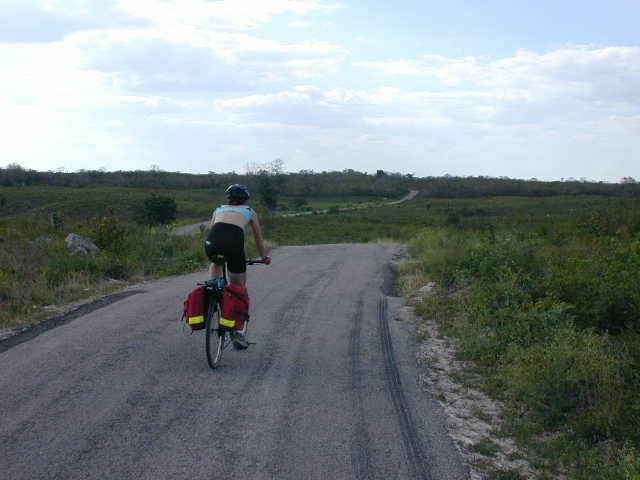
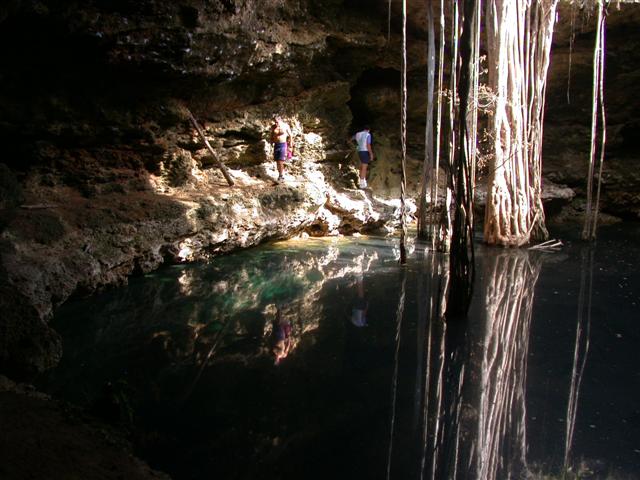
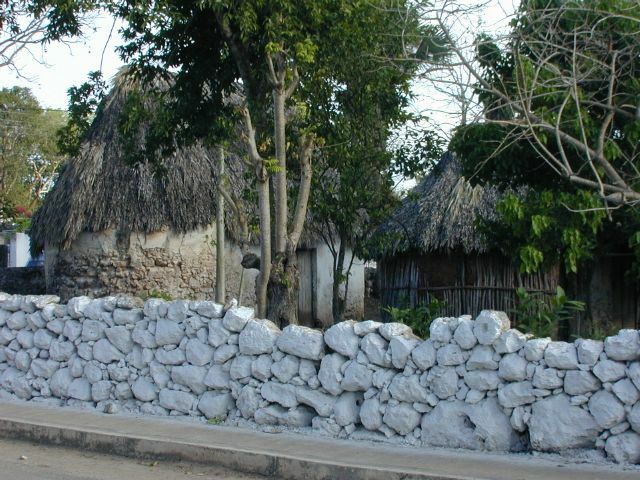
| Route Type: | REGULARRegular DifficultyA good level of fitness is required. Distances average around 50 - 80 km per day (depending on hills), and are always less than 120 km. Roads range from flat to very hilly. We may climb up to 1500 metres on a hard day.WeatherThe Weather: Yucatan PeninsulaThe Yucatan's best weather is during our winter months. From November till March the temperature hovers in the mid 20's to the mid 30's (celcius) with sunny clear skies. Humidity levels can be high as we head inland but a warm steady breeze and the occasional but rare tropical thunderstorm will keep you feeling refreshed.RoadThe Road: Yucatan PeninsulaThe Yucatan's roads are considered the finest in Mexico. They are generally in excellent condition with even, paved surfaces. Some stretches of our route also include a paved shoulder. The route meanders along flat terrain with the occasional rolling section. In most places traffic is light to non-existent. Depending on the time of day, roads may be busy near towns such as Cancun, Valladolid and Merida, however drivers are generally respectful of cyclists and will give you as much room as possible.LandThe Land: Yucatan PeninsulaThe Yucatan peninsula at the south eastern tip of Mexico is comprised of three states, Campeche, Yucatan, and Quintana Roo. The peninsula is a massive, flat carbonate - limestone shelf formed by prehistoric high sea levels. Too porous to support a river system, fresh water accumulates underground forming an extensive subterranean river network. Where the erosive process has broken through the earth's surface, cenotes (se-no-tes; limestone sinkholes or pools) have formed. Erosion has also formed numerous caves, some of them enormous and accessible to tourists. The peninsula's landscape is covered by thorn forest in the north and rain jungle in the south. |
| Highlights: | Real Mexican-Yucatecan culture. Small towns, ruins, cenotes, lots of cenotes, fishing villages, quiet roads, beaches. Mérida; bustling city, colonial architecture, art, food, market. |
| Price: | US$935 (that year's published approximate total land cost) |
Itinerary
Click any day for the full description. Itineraries were always subject to minor changes.
WhenWhereDistanceHighlights
Day 0Meet in Mérida-
Yucatan cuisine, Colonial Architecture, Zocalo, Market [more]
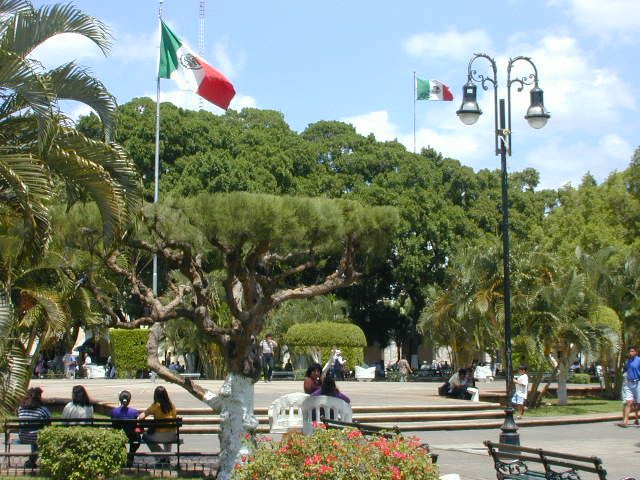
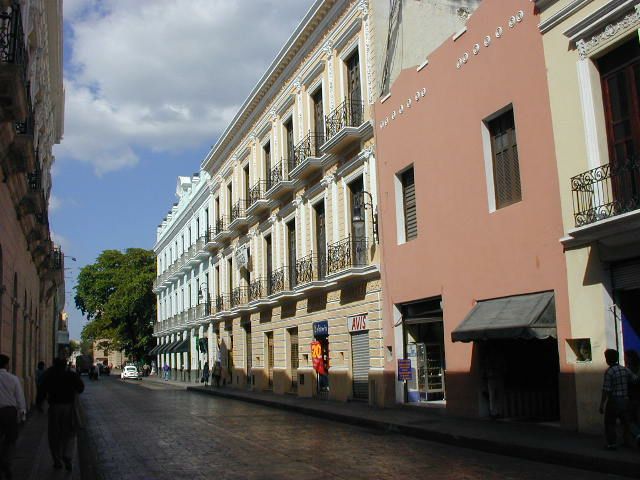
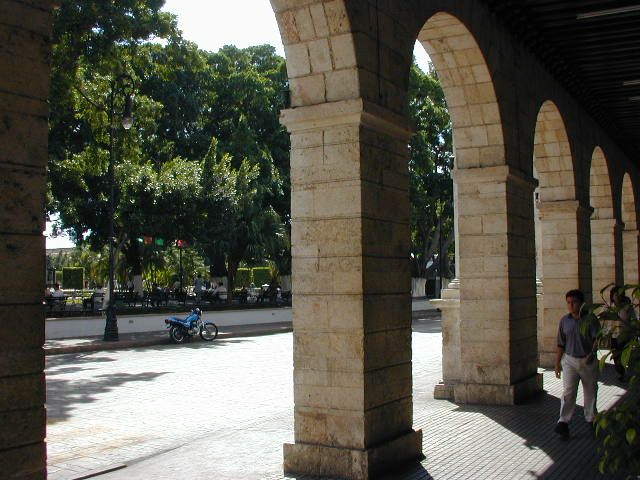
Mérida, the White City, was founded in 1542. Its architecture still shows an exquisite union of pre-Hispanic and European elements. During its Colonial era, this state capital was the most important city in the region, leaving such living monuments as the House of Montejo, Government Palace, and the main building of the University of Yucatan. Museums, theatres, handcrafts, nightclubs and beautiful parks have created a beautiful and vibrant city. Once settled into our hotel room, we will experience Méridas delicious culinary tradition at one of Mérida's numerous restaurants.Day 1Mérida to Motul (via Dzibilchaltun, Conkal)58 km
Mayan ruins, cenote, picturesque towns, Mayan villages [more]
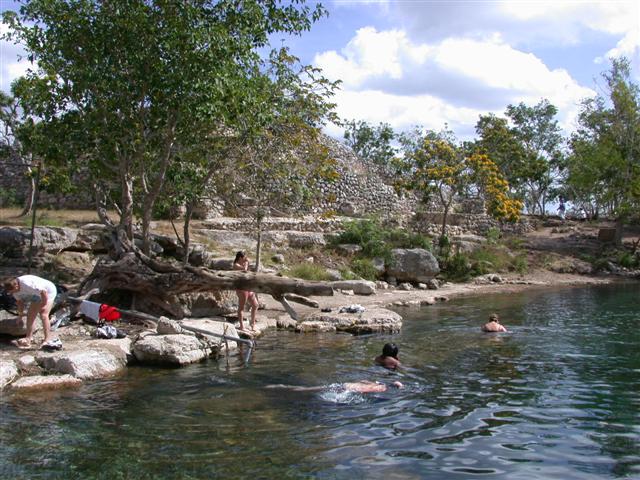
We'll take the backroads way out of Mérida, passing through several little towns and visiting the Mayan ruins of Dzibilchaltun with it's most unusual and interesting cenote, Xlacah Cenote.Day 2Motul to Buctzotz (via Telchac, Dzilam Gonzalez)69 km
Picturesque Towns, Mayan villages, quiet roads [more]
Coming soon...Day 3Buctzotz to Tizimin69 km
Hilly roads, ranching zone [more]
We'll pass through small, untouristed towns and villages, and end up in the colonial town of Tizimin. A lot of the Yucatan's agriculture is around Tizimin.Day 4Tizimin to Río Lagartos (via Panobá, San Felipe)68 km
Quiet roads, the sea [more]
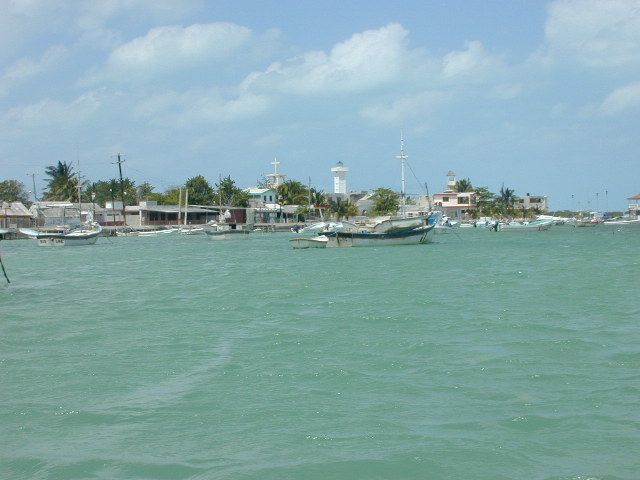
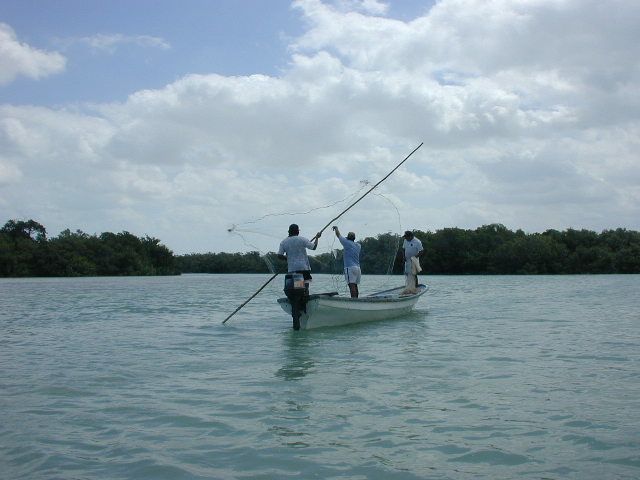
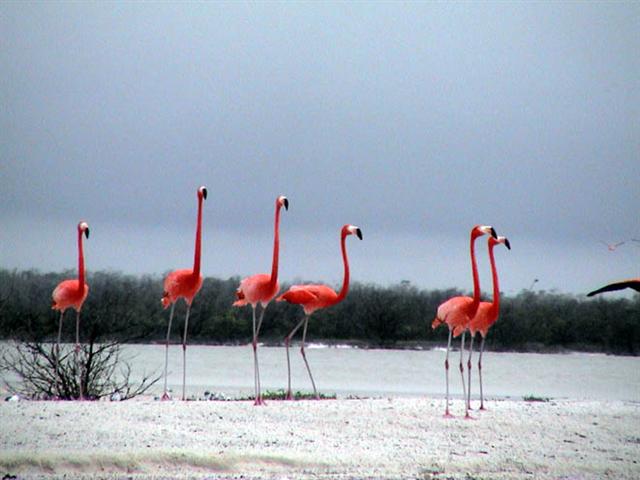
Quiet back-roads, and small villages. The little fishing village of San Felipe and then Río Lagartos. Originally a Mayan town called Holcobem, its modern name, Río Lagartos, is a misnomer. Spanish explorers found a long estuary, which opens to the sea here, filled with crocodiles. They believed the estuary to be a river (río), and the crocodiles to be simple lizards (lagartos); hence the name Río Lagartos. Crocodiles are hard to come by now, but there are several flamingo nesting grounds in the area.Day 5Río Lagartos-
Flamingos, seafood, cenote, spring [more]
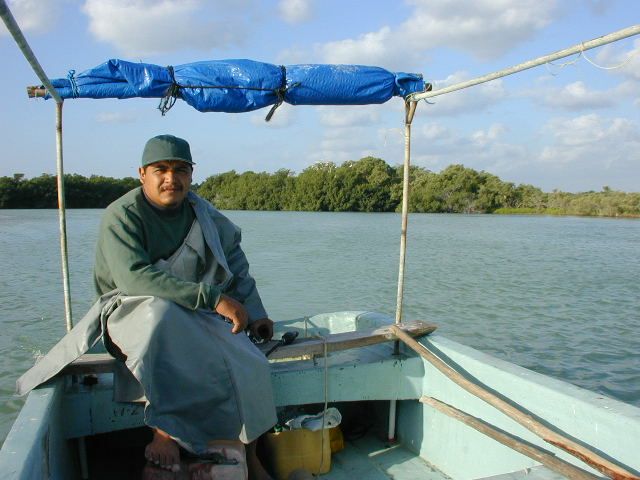
During our rest day in Río Lagartos, our local guide will take us out early in the morning on his boat to spy on a flock of flamingos. We are guaranteed to see a good sized flock - hundreds, or if we're really lucky, thousands! With a little more luck we'll also see a crocodile or two. Later we may explore Chikila spring, Pententucha cenote and enjoy some excellent fresh seafood.Day 6Río Lagartos back to Tizimin67 km
Quiet roads, Catacombs [more]
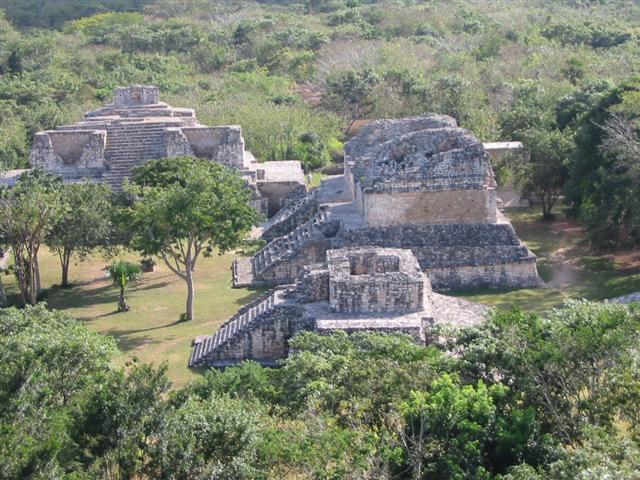
We'll stay in Tizimin again, check out the catacombs, then head off to the Mayan ruins of Ek Balam the next day.Day 7Tizimin to Valladolid (via Ek Balam)64 km
Ek-Balam Mayan Ruins, cenotes [more]
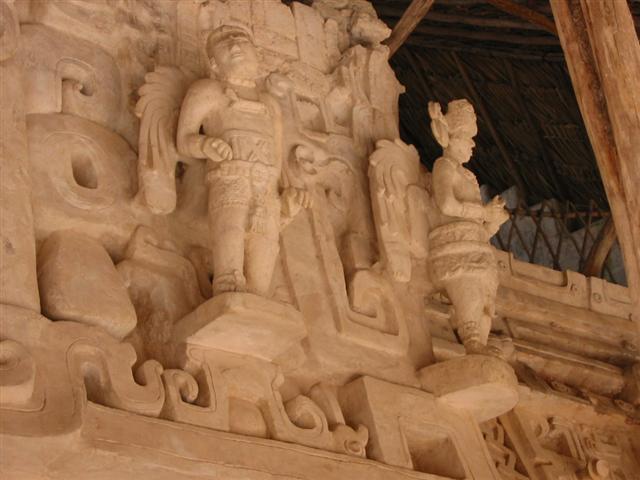
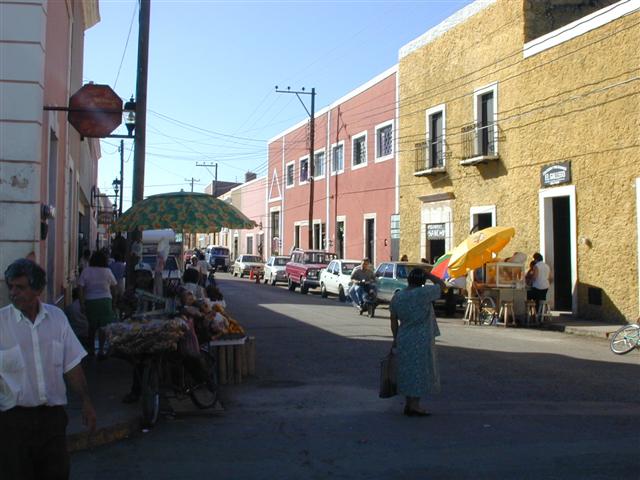
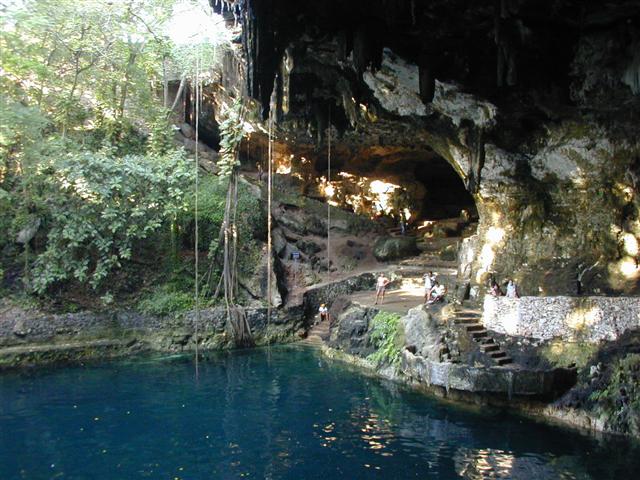
Ek Balam means 'black jaguar' in Mayan. This site many well have achieved pivotal status in the public affairs of eastern Yucatan and judging from its monumental architecture it was quite probably an influential city. Valladolid is one of the Yucatan's largest and most pleasing colonial cities. Rolling into town we will stop at the spectacular cenote Zací where we can take a dip to cool off. Its churches, parks, markets and beautiful zocalo are all worth a visit. To refuel for the next day's ride you can sample the Yucatan's delicious cuisine at one of Valladolid's many restaurants.Day 8Valladolid to Izamal105 km
Cenotes, small towns, quiet roads [more]
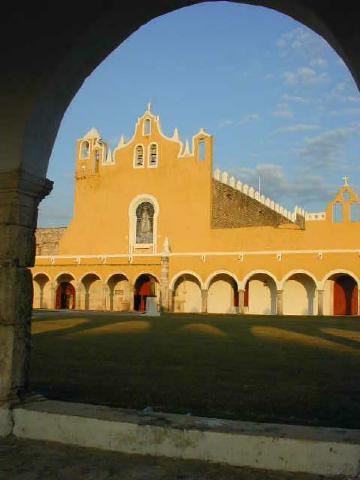
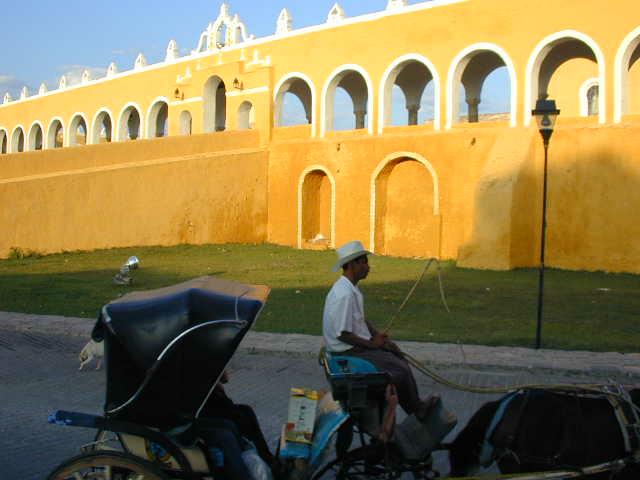
We'll pass through many small Mayan towns and visit as many cenotes on the way as you want! There are literally hundreds of them along this route. At the end of the day we find ourselves in the splendid colonial yellow town of Izamal.Day 9Izamal-
Mayan Ruins, Convent, Zocalo, Market [more]
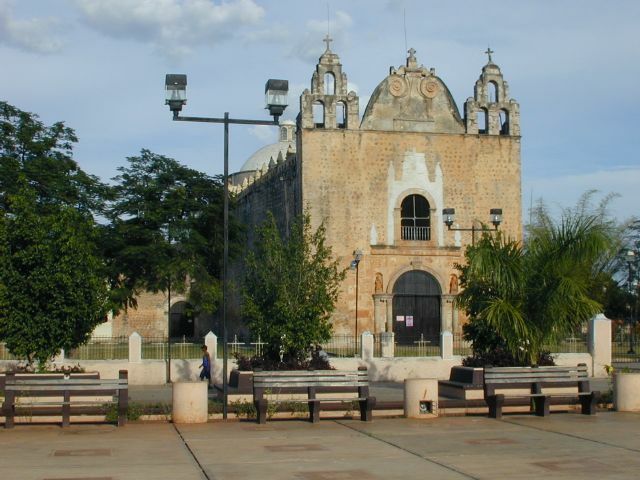
Known as the Yellow Town because of the colour of the colonial buildings that line the zocalo, Izamal is famous for having the largest church plaza in Mexico. It includes an enormous Franciscan convent (built with Mayan stones) and the remnants of one of the tallest Mayan pyramids in the Yucatan. You can also visit the colourful market, or just stroll around the beautiful zocalo observing the daily routines of the local inhabitants.Day 10Izamal to Oxcutzcab125 km
Quiet roads, no tourists, cenotes [more]
We'll pass through many small villages on very quiet roads and have the chance to visit several spectacular cenotes, ending our day along the 'Convent Route'.Day 11Oxcutzcab to Santa Elena (Ruta Puuc)55 km
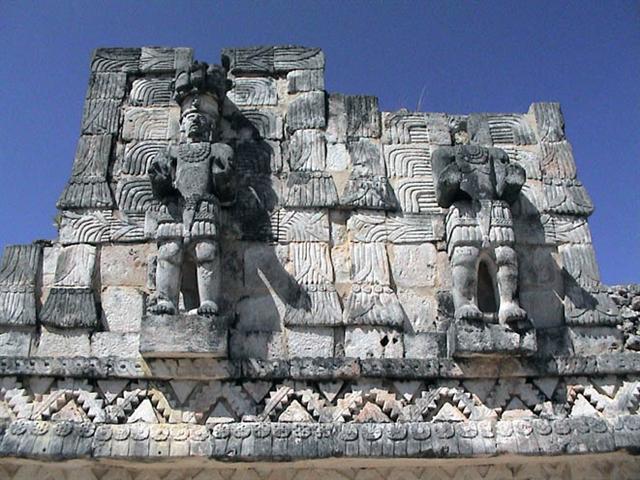
Loltún caves, Ruta Puuc Mayan ruins, quiet road [more]
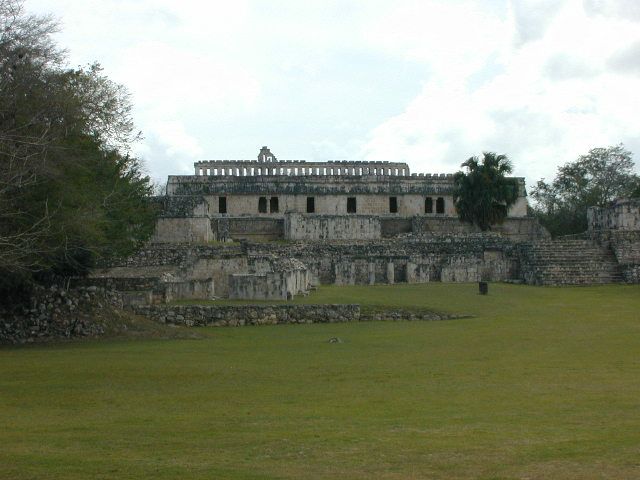
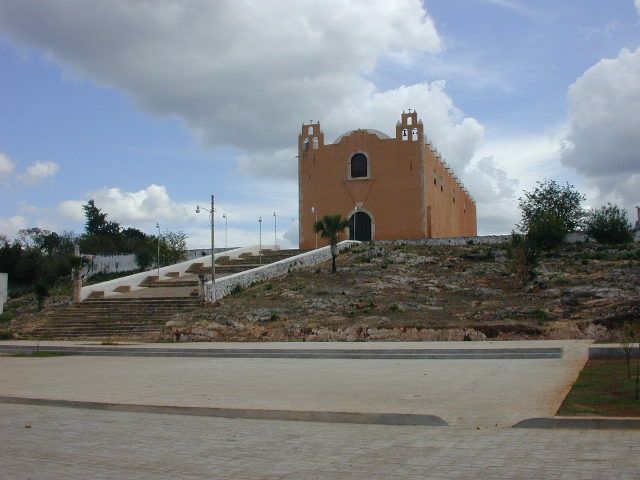
A later start today so that we can visit Loltún caves; the most interesting and largest cave system in Yucatán. After that, we'll visit several minor Mayan ruins including Labná, Xlapac, Sayil and Kabáh, ending up at the small town of Santa Elena with it's giant church perched atop a hill - a great spot to see the sun set over the Yucatan's endless forests.Day 12Santa Elena to Ticul44 km
Famous Uxmal Mayan ruins. [more]
We go out to Uxmal Mayan ruins to catch them early in the morning before the crouds, then back to Sta. Elena and on to the small colonial town of Ticul.Day 13Ticul to Mérida75 km
Very quiet backroads, some dirt. Cenotes, Haciendas. [more]
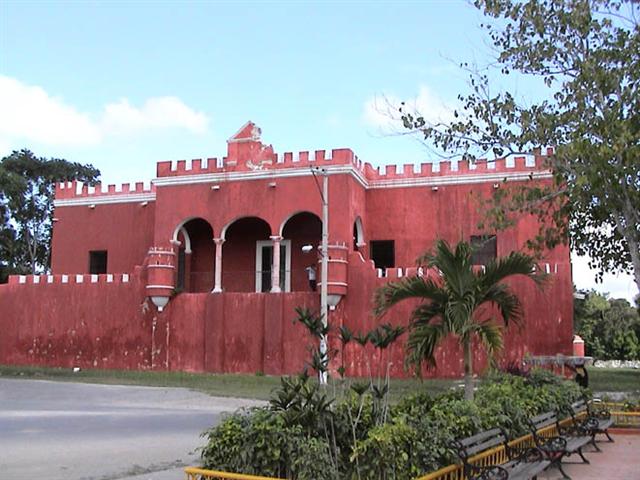
We'll pass through many small Mayan villages and ex-haciendas. There are also many cenotes to be discovered along the way.Day 14Mérida-
Stay a bit longer or fly back home [more]
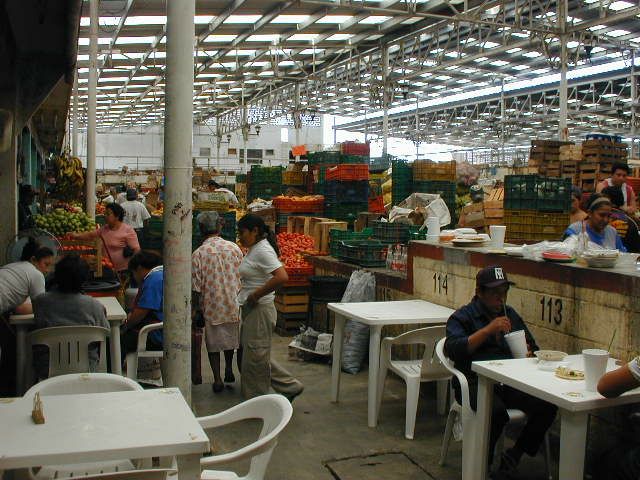
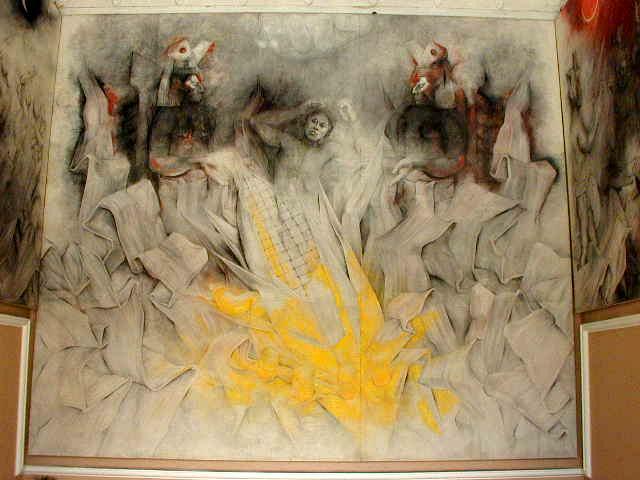
Mérida, is a state capital and commercial center. It's also the cultural focal point of the entire peninsula. Tourists are attracted to the history and beauty of this vibrant city. Its colonial center, Centro Colonial, is busy with Maya men and women in traditional dress. College students lounging at nearby cafes and businessmen and women rushing to their offices. Meridians enjoy long, leisurely promenades in the zocalo. The zocalo's clock tower chimes 4 times an hour and dawn and dusk are greeted by a flag ceremony, accompanied by the music of a military band. Nearby you will be able to visit venerable old churches like the yellow cathedral with its twin towers containing what is claimed to be the second largest crucifix in the world. There is also the Palacio de Gobierno with its stairway painting depicting the Maya belief that humanity comes from maize. Under the balcony of the Palacio Municipal concerts and classes in jarana, a Yucatan colonial dance, take place. The nearby market or Mercado is huge, noisy, colourful and crowded. Anything you might want to buy can be found there or even made for you while you wait. Of special interest are the famous Yucatan hammocks. There are numerous museums and parks to visit as well as a never-ending series of free music and dance events to attend each day of the week.What it cost that season
| Guides' Fee | + Accommodations | + Food & Drink | + Misc. | = Approx. Total Land Cost |
|---|---|---|---|---|
| $500 | $150 | $170 | $150 | $970 |
All figures in US dollars, as published at the time. Riders paid their own accommodation, food and entrance fees on the road — the Guides' Fee was the only charge from ¡El Tour. Full history: price of Roaming Backroads Yucatan through the years.
Photo Album