
¡El Tour
Budget Bicycle Tours in Mexico
www.BikeMexico.com
The Complete Archive · 2000–2020

Flamingos in the Mayan World 2006
Season 2005–2006 · all tours that season
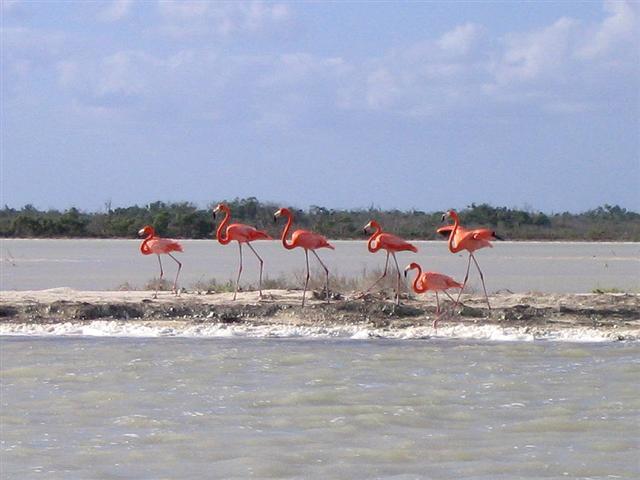
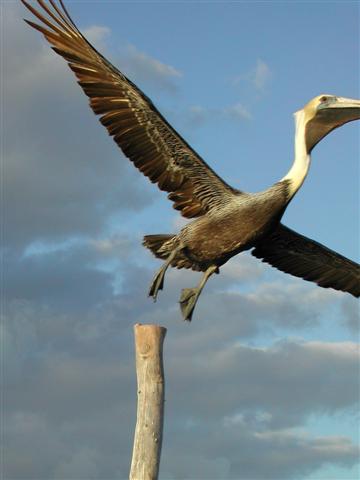
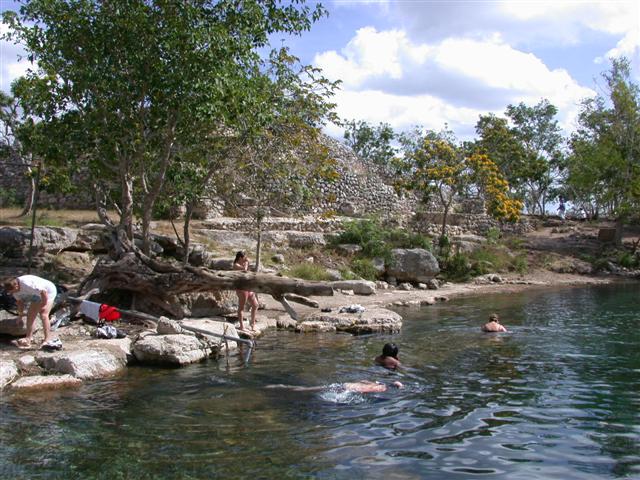
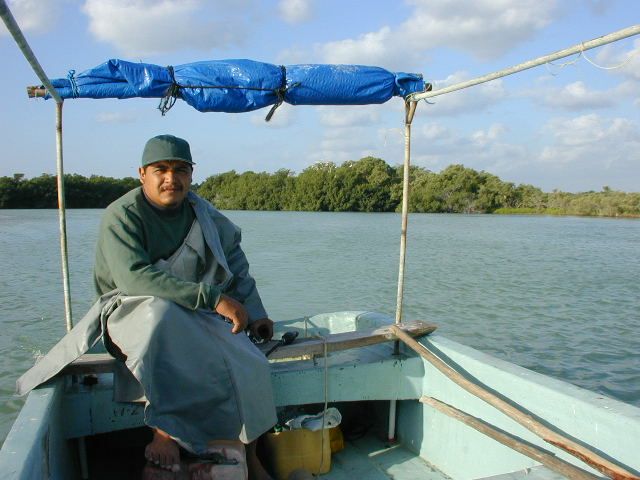
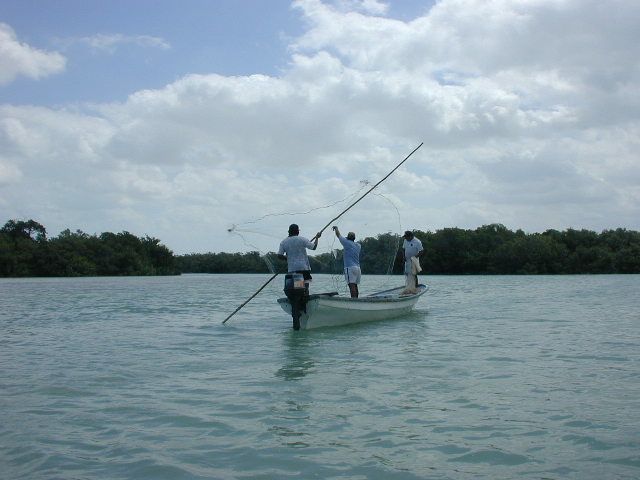
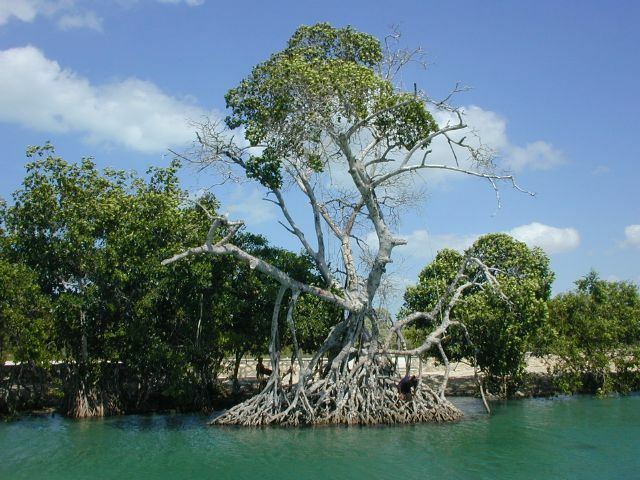
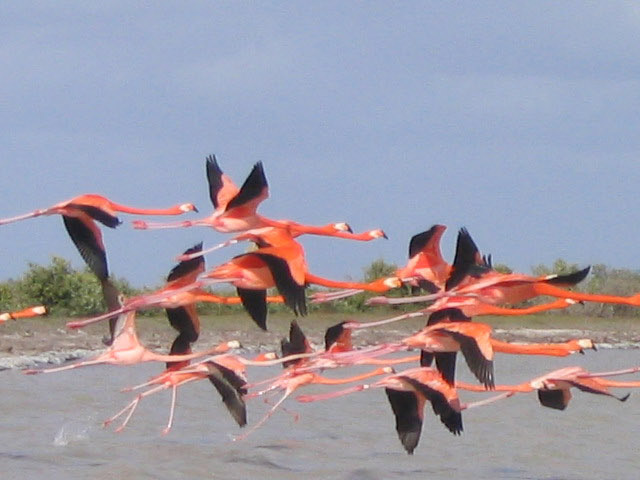
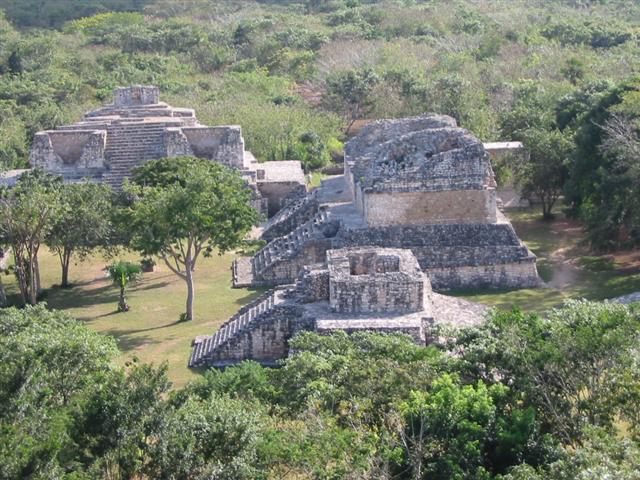
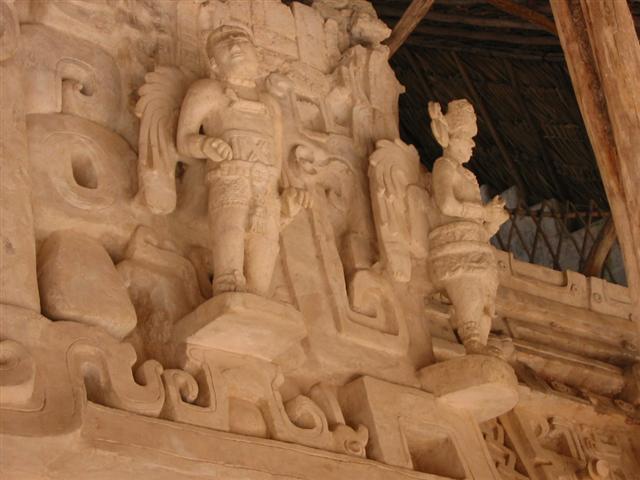
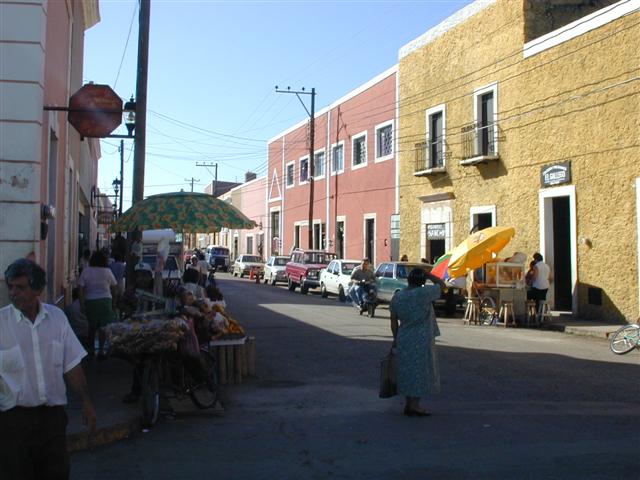
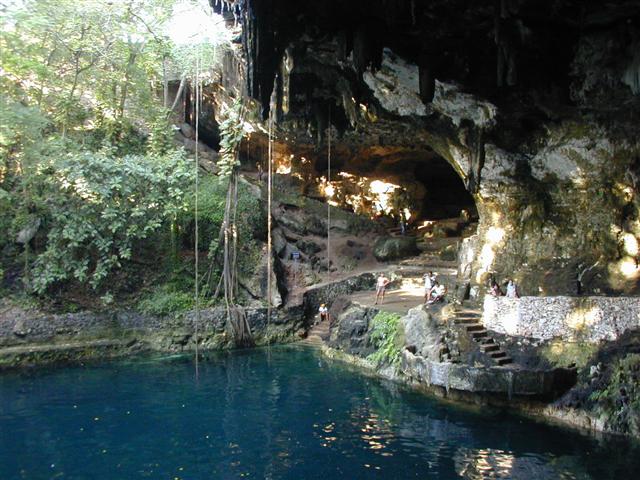
Colonial Mérida to Valladolid. The highlights of this tour are the flamingos and other aquatic birds in the mangrove habitat of Ria Lagartos. We also visit Mayan ruins including the well kept secret of Ek Balam, and several cenotes. A cenote is an opening to the immense underground lake and river system of the Yucatan; each one is spectacular and unique. Along the route are also some interesting Mayan and Yucatecan towns and villages. This is a REGULAR difficulty tour.
Archive note: NEW tour.
| Dates: | Fri Feb 3, 2006 to Fri Feb 10, 2006 (1 week - 5 cycling days) |
| Distances: | Average/day: 74km Maximum/day: 110km Total Approx: 369km |
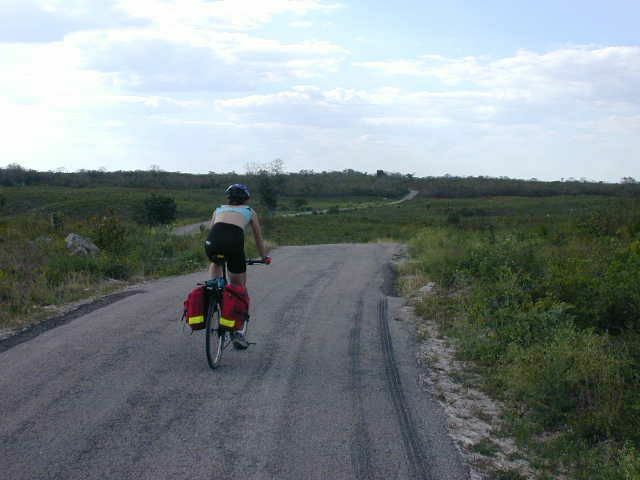
| Route Type: | REGULARRegular DifficultyA good level of fitness is required. Distances average around 50 - 80 km per day (depending on hills), and are always less than 120 km. Roads range from flat to very hilly. We may climb up to 1500 metres on a hard day.WeatherThe Weather: Yucatan PeninsulaThe Yucatan's best weather is during our winter months. From November till March the temperature hovers in the mid 20's to the mid 30's (celcius) with sunny clear skies. Humidity levels can be high as we head inland but a warm steady breeze and the occasional but rare tropical thunderstorm will keep you feeling refreshed.RoadThe Road: Yucatan PeninsulaThe Yucatan's roads are considered the finest in Mexico. They are generally in excellent condition with even, paved surfaces. Some stretches of our route also include a paved shoulder. The route meanders along flat terrain with the occasional rolling section. In most places traffic is light to non-existent. Depending on the time of day, roads may be busy near towns such as Cancun, Valladolid and Merida, however drivers are generally respectful of cyclists and will give you as much room as possible.LandThe Land: Yucatan PeninsulaThe Yucatan peninsula at the south eastern tip of Mexico is comprised of three states, Campeche, Yucatan, and Quintana Roo. The peninsula is a massive, flat carbonate - limestone shelf formed by prehistoric high sea levels. Too porous to support a river system, fresh water accumulates underground forming an extensive subterranean river network. Where the erosive process has broken through the earth's surface, cenotes (se-no-tes; limestone sinkholes or pools) have formed. Erosion has also formed numerous caves, some of them enormous and accessible to tourists. The peninsula's landscape is covered by thorn forest in the north and rain jungle in the south. |
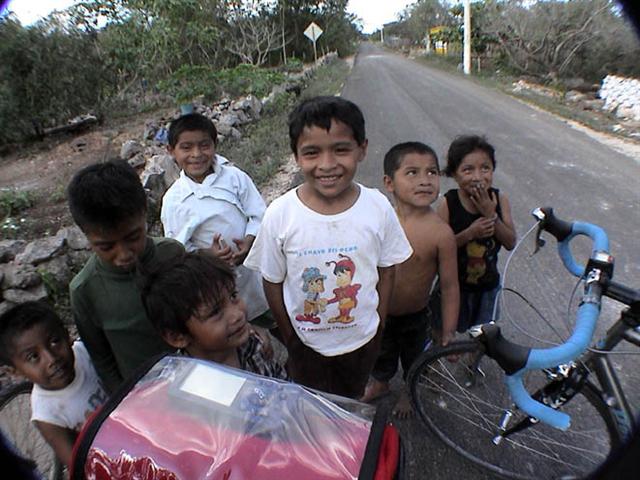
| Highlights: | Real Mexican-Yucatecan culture. Flamingos and other birds, mangrove tour. Small towns, ruins, lots of cenotes, fishing villages, quiet roads. M�rida; bustling city, colonial architecture, art, food, market. |
| Price: | US$665 (that year's published approximate total land cost) |
| Riders: | 3 cyclists (from the company client database) |
The Route
Itinerary
Itineraries were always subject to minor changes.
WhenWhereDistanceHighlights
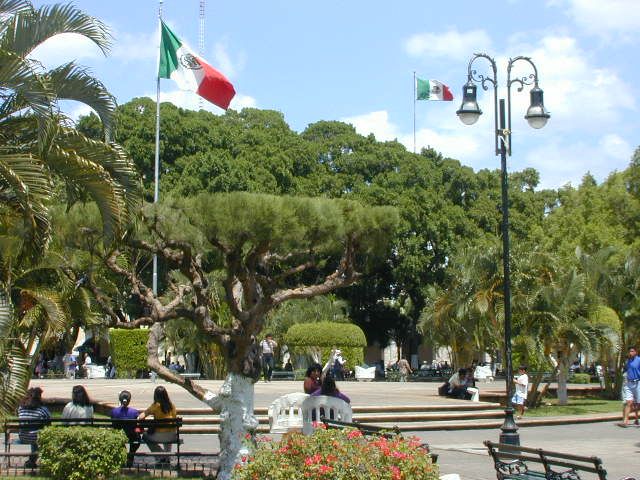
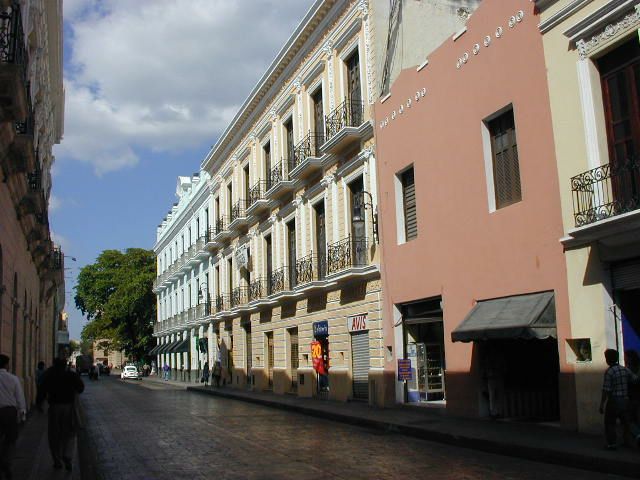
Day 0Meet in Mérida-Yucatan cuisine, Colonial Architecture, Zocalo, Market
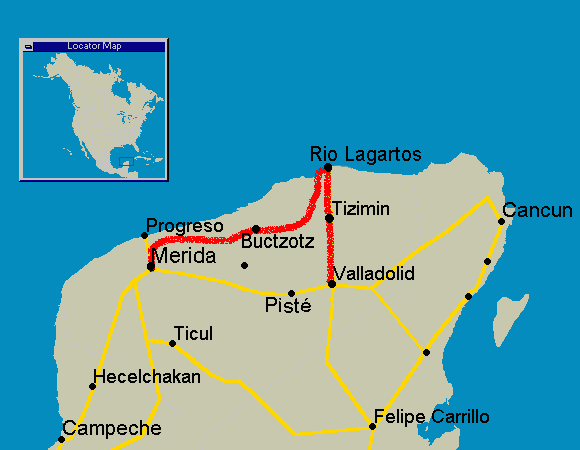
Day 1Mérida to Motul (via Dzibilchaltun, Conkal)58 kmMayan ruins, cenote, picturesque towns, Mayan villages
Day 2Motul to Buctzotz (via Telchac, Dzilam Gonzalez)69 kmPicturesque Towns, Mayan villages, quiet roads
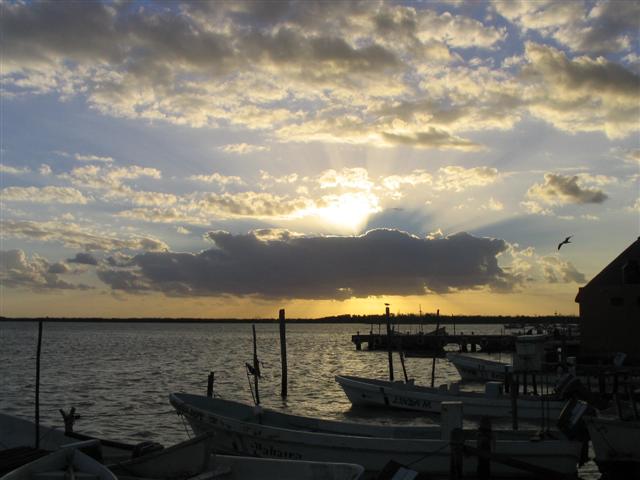
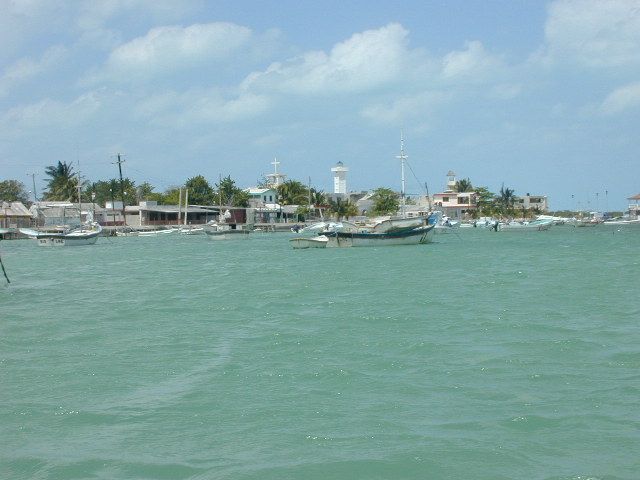
Day 3Buctzotz to Río Lagartos (via Panobá, San Felipe)111 kmQuiet roads, the sea
Day 4Río Lagartos-Flamingos, seafood, cenote, spring
Day 5Río Lagartos to Tizimin67 kmQuiet roads, Catacombs
Day 6Tizimin to Valladolid (via Ek Balam)64 kmEk-Balam Mayan Ruins, cenotes
Day 7Bus or van back to Mérida-Yucatan cuisine, Murals, Colonial Architecture, market. Fly home in the afternoon or later.
What it cost that season
| Guides' Fee | + Accommodations | + Food & Drink | + Misc. | = Approx. Total Land Cost |
|---|---|---|---|---|
| $350 | $100 | $95 | $120 | $665 |
All figures in US dollars, as published at the time. Riders paid their own accommodation, food and entrance fees on the road — the Guides' Fee was the only charge from ¡El Tour. Full history: price of Flamingos in the Mayan World through the years.
Photo Album